 Plastic pollution is now a planetary problem that cannot (and should not) be ignored. But “talking about it” is not enough. Each of us must address the problem concretely, in our own microcosm, by beginning to reconsider our way of life to reduce the environmental impact of our actions.
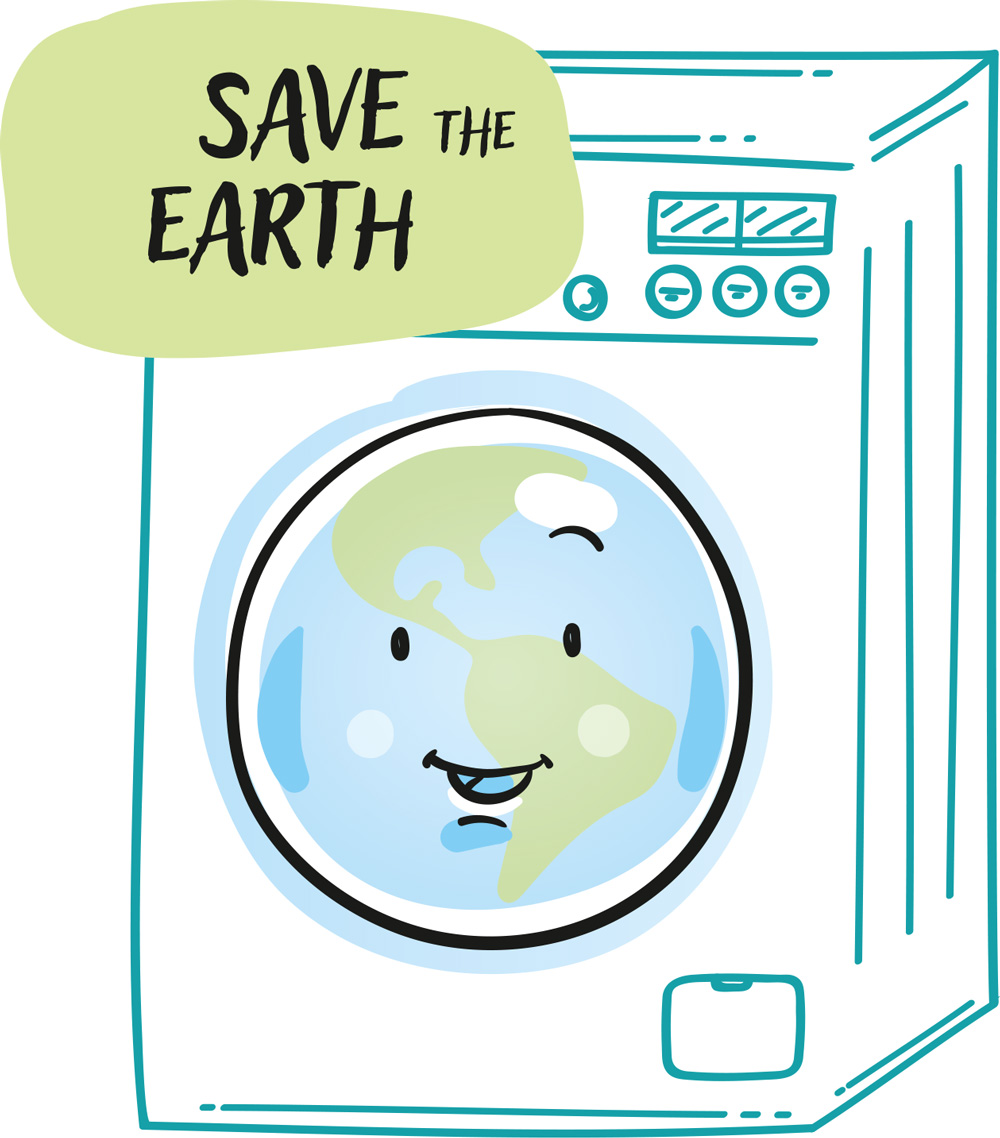
The question we all need to ask ourselves is: How relevant on plastic pollution are our daily actions such as, for example, doing laundry in the washing machine?
And it is the statistics themselves that answer us: very much!
There are, unfortunately, numerous studies showing that most plastic packaging waste is produced by household consumption, rather than industrial consumption.
This is but further confirmation of how closely the overall problem depends on each individual behavior.
Becoming aware of one’s role in safeguarding the planet is therefore a crucial step.
But once you become aware of it…. what to do? How can we concretely decrease our daily impact on the environment around us?
The first response is, of course, to try to replace plastics as much as possible with alternative materials.
However, plastic is an extremely versatile material, which is the reason for its wide use in the production of so many everyday objects. We know, then, that in the current state of affairs, a totally plastic-free life is almost impossible.
This does not mean, however, that we should stand idly by in the face of such a pressing and troubling problem.
Just as important as the first answer to the problem, then, is the second answer, the one we start with as we embark on our journey toward plastic-free laundry: when it is simply not possible to replace plastic, we can start by recycling the plastic we purchase properly.
Perhaps not everyone knows that currently the only plastic items that can actually be recycled are packaging.
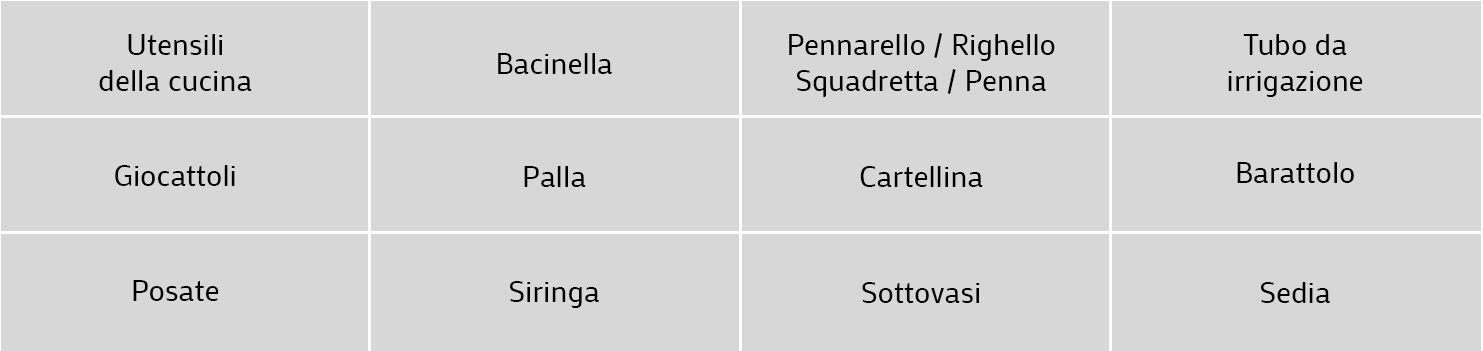
Unfortunately, all other plastic items on the market are not recyclable and should therefore be disposed of as unsorted.
To help you gain clarity on the topic, with the help of Corepla (National Consortium for the Collection, Recycling and Recovery of Plastic Packaging), we have compiled a couple of lists containing items that should be put in the separate plastic collection versus those that should be disposed of in the undifferentiated collection instead.
 Separate collection of plastic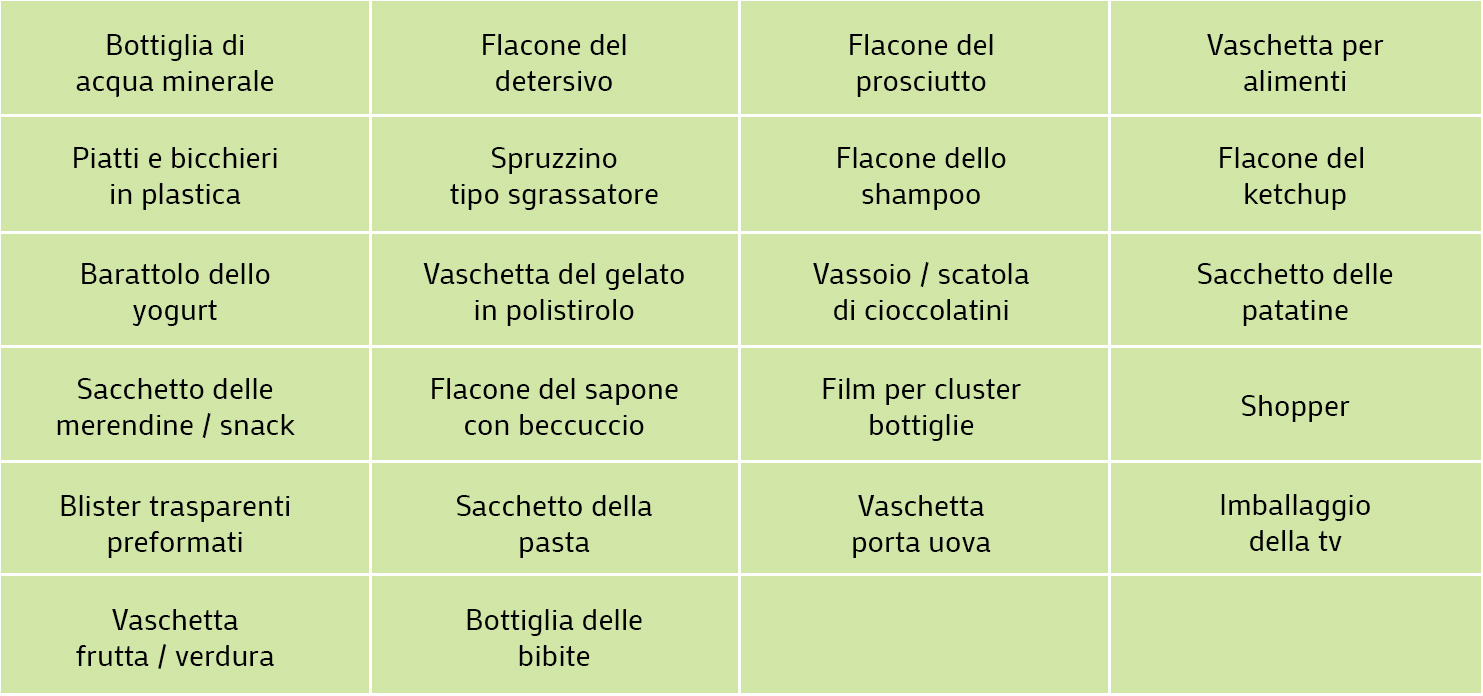

 https://greenpuffer.eu/wp-content/uploads/2021/01/mare-plastica.jpg
1067
1600
Serena Carlino
https://greenpuffer.eu/wp-content/uploads/2022/02/GREEN-PAFFER-LOGO-R.png
Serena Carlino2021-02-07 11:18:192024-07-10 10:33:21Make your laundry more sustainable
https://greenpuffer.eu/wp-content/uploads/2021/01/mare-plastica.jpg
1067
1600
Serena Carlino
https://greenpuffer.eu/wp-content/uploads/2022/02/GREEN-PAFFER-LOGO-R.png
Serena Carlino2021-02-07 11:18:192024-07-10 10:33:21Make your laundry more sustainable